

What items are banned from roll-off dumpsters?
The short list that trips people up: tires, car batteries, paint cans (wet or dry), motor oil, propane tanks, refrigerators and AC units with refrigerant still inside, fluorescent tubes, and anything labeled hazardous on the container. Wet paint is a common one, since it's classified as hazardous waste in most jurisdictions until it's fully dried out. Asbestos siding, roofing shingles saturated in tar, and railroad ties also get flagged on most loads. If you're gutting a kitchen during a home renovation porta potty job, expect the hauler to reject a dumpster with an intact refrigerator sitting on top. Check the full rundown at what cannot go in a dumpster before you start tossing debris, and pair it with dumpster weight limits so you don't get hit twice, once for banned material and once for overweight. For anything with fuel or refrigerant, call ahead. OSHA 1926.252 covers how waste materials get handled and disposed of on a construction site, including chutes and enclosures, and that standard is worth knowing if your crew is filling a construction dumpster rental box daily.
Why do dumpster companies reject certain loads?
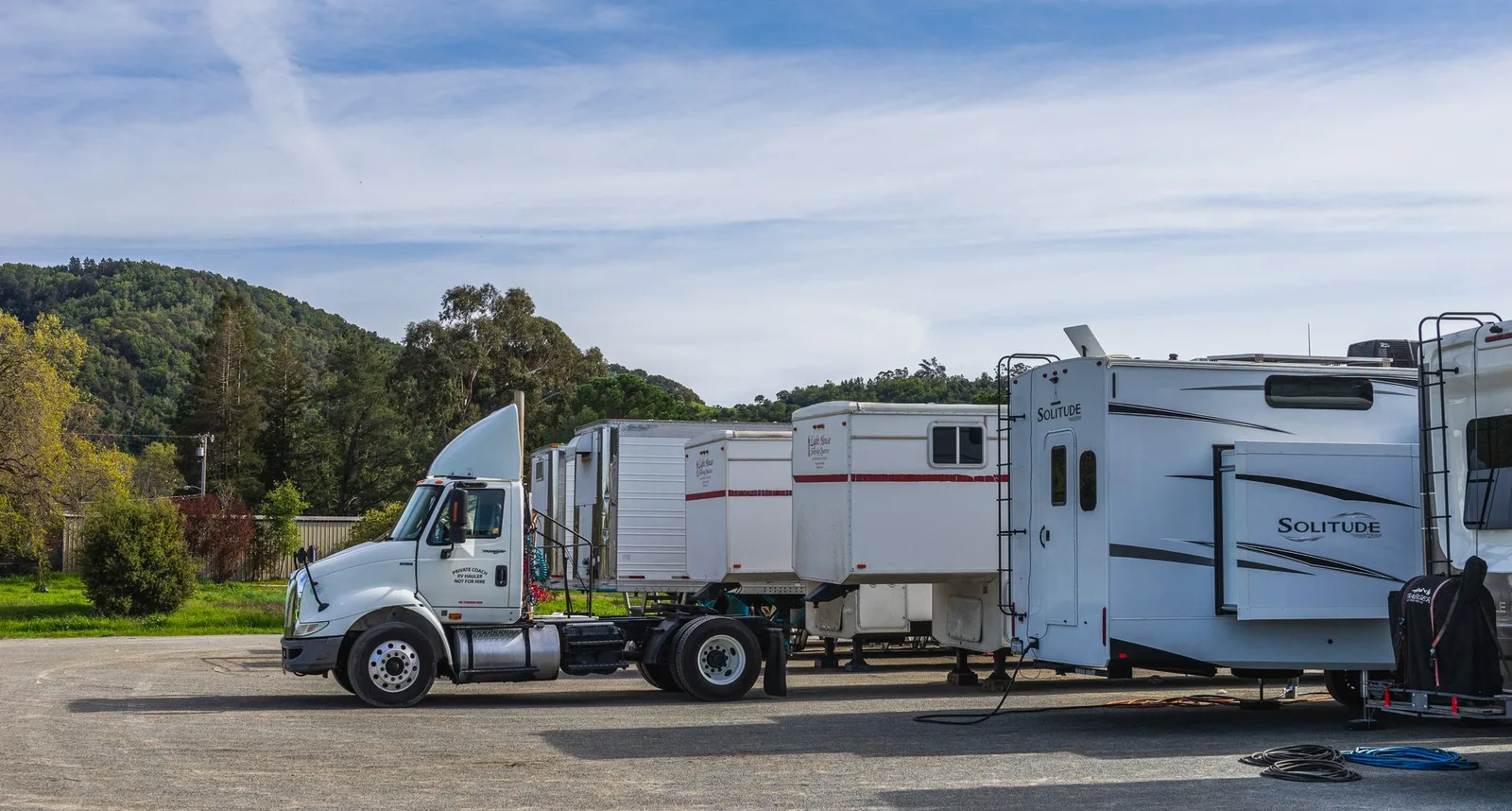
Because the landfill or transfer station rejects them first, and the hauler eats the cost of turning a full truck around. A load with a car battery mixed into shingles can shut down an entire tipping line at some facilities. That's why Baltimore Porta Pros walks customers through the list before drop-off rather than after pickup, when it's too late to fix cheaply. This matters more on a 30 yard dumpster rental or 40 yard dumpster rental, since a bigger box holds more material and a bigger mistake. Smaller jobs on a 10 yard dumpster rental or 20 yard dumpster rental still get flagged for the same reasons, just with less volume at stake. If you're not sure what size fits the job, dumpster sizes and dimensions breaks down the footprint of each. Delivery trucks also need about 60 feet of straight clearance behind the unit to place it safely, so a driveway packed with debris or parked cars can cause its own kind of rejection before the box even touches ground.
Local rules and permits in Baltimore, MD
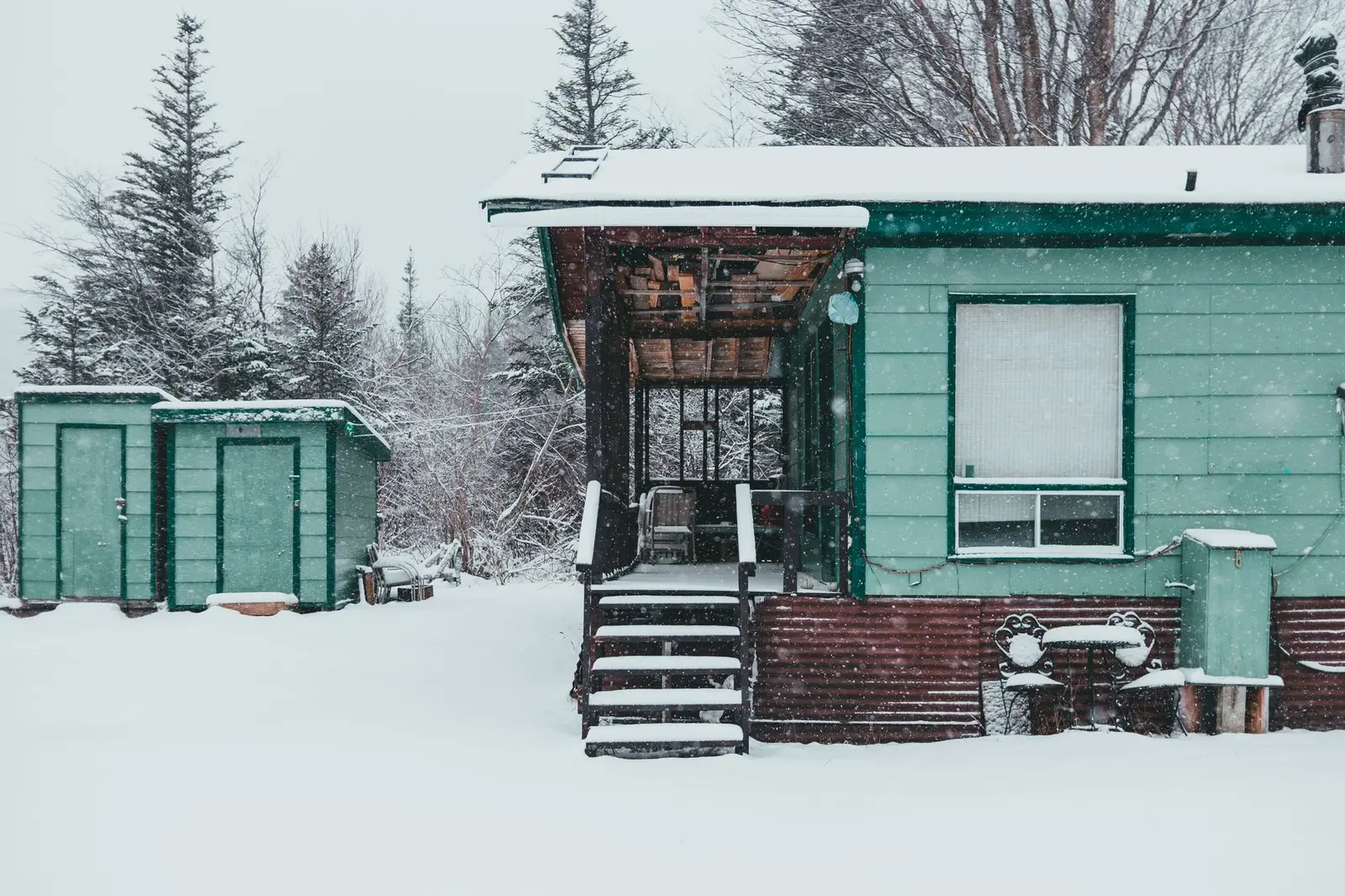
Placement in the public right of way, like a dumpster sitting partly in the street in front of a rowhouse in Baltimore, needs confirming with the city before delivery. We don't guess at ordinance numbers here, since permit rules vary by block and by project type, and getting it wrong can mean a fine or a forced move mid-job. If your site is close to Towson, about 8.0 miles north of Baltimore, or Dundalk, roughly 8.1 miles east, the same rule applies: check with the local authority first. See dumpster permit requirements for what to ask about, and dumpster rental cost for how permit delays can affect your rental window. Baltimore Porta Pros can hold a dumpster on private property, a driveway or a lot, without triggering the same right-of-way questions, which is often the simpler route for a short home project.
What happens if banned material ends up in the dumpster anyway?
Expect an extra charge, a delayed pickup, or both. Haulers sort loads at the transfer station, and if they find a car battery or a can of wet paint buried in construction debris, that material gets pulled and billed back to the renter, sometimes at a steep rate since it requires separate handling. This is different from what cannot go in a dumpster in the sense that it's not about intent, it's about what actually gets found during processing. A dumpster full of drywall and lumber for a garage teardown is straightforward. Toss in old paint cans from the garage shelf and you've created a hazardous mixed load. For jobs generating fats, oils or grease, like a restaurant remodel, look at grease trap pumping instead of trying to dump interceptor waste in a roll-off. A grease interceptor gets pumped once fats, oils, grease and solids reach 25 percent of the liquid depth, and that material never belongs in a construction dumpster regardless of how the job site is set up.
Frequently Asked Questions
Can I put a mattress in a dumpster?
Usually yes, but confirm with your hauler since some facilities charge extra for mattresses due to how they're processed. It's not on the hazardous list, just a handling issue. Ask when you book, especially if you're renting a smaller box like a 10 yard dumpster rental for a single-room cleanout in Baltimore.
Can yard waste go in a roll-off dumpster?
Yes, in most cases, though wet leaves and heavy branches add weight fast. Check dumpster weight limits before loading a full yard cleanup, since a dumpster packed with wet soil or sod can hit the ceiling faster than construction debris of the same volume.
What about old paint cans?
Dried paint, with the lid off and the contents solid, is usually fine. Wet paint is treated as hazardous and gets rejected. Let it dry out completely, or set it aside for a hazardous waste drop-off instead of tossing it into a Baltimore Porta Pros dumpster.
Is it okay to dump construction debris mixed with drywall?
Yes, drywall and general construction debris go together fine in most loads. The concern is mixing in banned items like fluorescent tubes or old solvent cans. A construction dumpster rental is built for exactly this kind of mixed demolition material.
Can I rent a dumpster for a one-day cleanout?
Yes, day rentals exist for fast turnarounds, and pricing depends on the size you need. Compare options on dumpster rental cost before booking, since a one-day rental in Baltimore still needs the same clearance and placement planning as a longer job.
Next step
Get a delivery date
Tell us the address, the dates and the headcount. We size the order and confirm the route.