
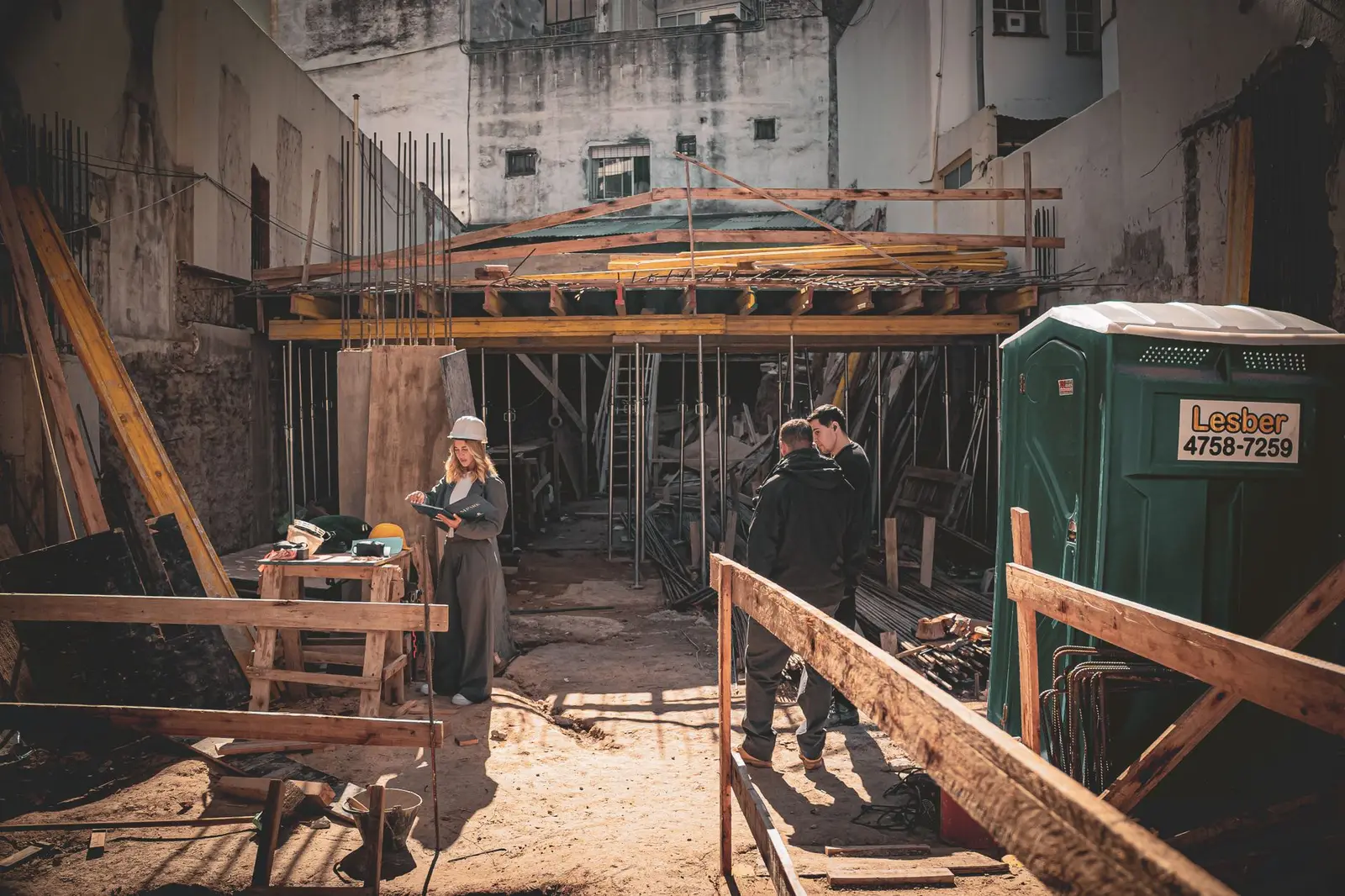
Where should a porta potty go on a Baltimore job site?
Pick flat, stable ground away from doorways, storm drains and foot traffic lanes. ADA Standards section 302.1 calls for surfaces that are stable, firm and slip resistant, which rules out loose gravel or a slope near a curb cut. Keep the unit within reach of the service truck. Most jobs in construction site services around Baltimore place units near the site entrance so the pump truck never has to cross an active work zone. If you are running a standard porta potty rental alongside a dumpster, separate them by several feet so neither delivery blocks the other. For events, check the porta potty placement guide rules against your venue's own site map before staking anything down, since some Baltimore venues restrict where equipment can sit on their grounds.
What clearance does the delivery truck need?
A roll-off delivery needs about 60 feet of straight clearance behind the truck, and portable restroom trucks need a similar straight shot to maneuver safely. That clearance matters just as much for a roll-off dumpster rental as it does for a bank of toilets, and dumpster placement permit cost and rules vary enough by lot that it is worth confirming access before the truck shows up. If your site sits on a narrow alley or a shared driveway, tell your provider before scheduling. On multi-unit jobs, group your portable toilet rental units in one row so the truck services them in a single pass instead of circling the site twice. This is also where temporary fence rental comes in. Fencing keeps pedestrians clear of the service lane without blocking the truck's turning radius, and it pairs naturally with a chain link temporary fence around a full site perimeter.
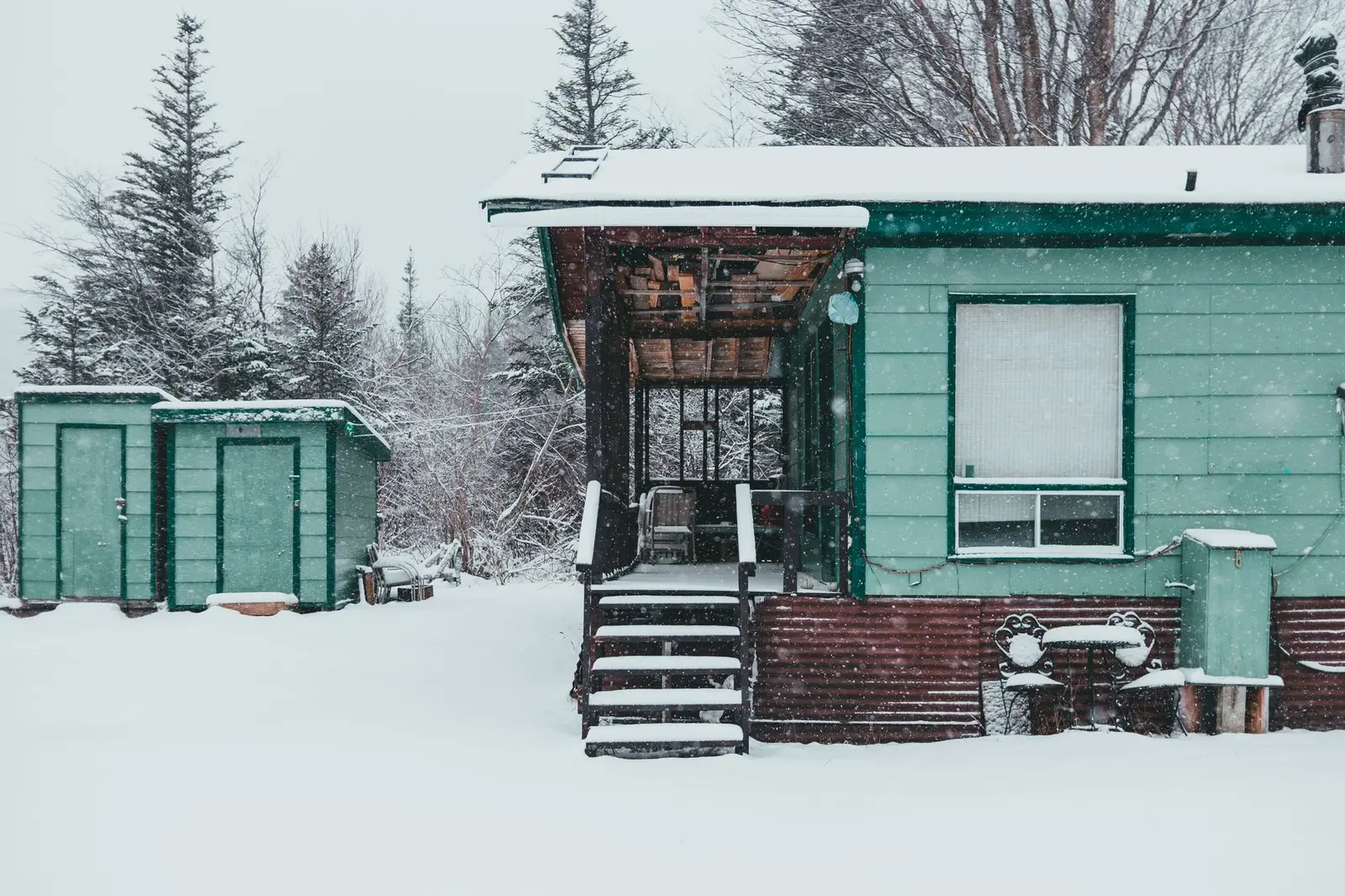
Are there ADA rules for placement?
Yes. Where portable units are clustered, ADA Standards section 213.2 requires at least 5 percent of the units be accessible, with a minimum of one. An ADA accessible porta potty needs a 60 inch turning circle inside, per ADA Standards section 304.3.1, plus a door opening of at least 32 inches under section 404.2.3. That means the pad footprint and approach path both need extra room compared to a standard unit. Reach ranges matter too: ADA Standards section 308.2.1 sets a 48 inch maximum and 15 inch minimum forward reach for controls, and section 309.4 requires operable parts usable with one hand and no more than 5 pounds of force. Review the ADA restroom requirements page before finalizing a site layout, especially for public events where event restroom rental counts need to match expected attendance, not just worker headcount.
Does OSHA regulate where units sit on a job site?
OSHA does not set exact placement distances, but 1926.51(c) sets the toilet count workers must have access to: one unit for 20 workers or fewer, scaling up from there. Practically, that means placement has to keep every unit within a reasonable walk of the crew, not tucked behind a trailer or across a fenced-off zone. If your trades use paints, coatings, herbicides or insecticides, 1926.51(f)(1) requires washing facilities near that work, which is a separate need from general toilet access. A handwashing station rental or portable sink rental placed near the paint or chemical area covers that requirement. Check the handwashing requirements page for the difference between that rule and the general washing facilities under 29 CFR 1910.141(d)(2), which applies to indoor general industry settings rather than a construction site.
Placement questions get more complicated with mixed equipment on one lot. A storage container rental or mobile office trailer rental on site changes your traffic flow, and a trailer with damaged or missing mobile office trailer replacement doors can become a safety issue if it sits near a walkway. Keep sanitation units clear of that equipment's swing path. Baltimore Porta Pros lays out sites so restrooms, dumpsters and fencing do not compete for the same access lane, whether the job is 5.9 miles south in Baltimore Highlands or closer to downtown.
| unit | duration | low | typical | high |
|---|---|---|---|---|
| standard | day | 100 | 150 | 350 |
| standard | week | 130 | 200 | 500 |
| ada | day | 200 | 230 | 400 |
| dumpster | day | 51 | 75 | 112 |
| dumpster | week | 426 | 600 | 778 |
Rates vary by duration and unit type; see porta potty rental cost and dumpster rental cost for the full breakdown, or porta potty rental per day if you only need a unit for a short pour or inspection.
How many porta potties does a Baltimore job site need?
OSHA 1926.51(c) sets one unit per 20 workers on crews of 20 or fewer, scaling up as headcount grows. Site layout affects the count too. Spread-out sites sometimes need extra units just for walk-time, not headcount. See how many porta potties do I need for a full breakdown by crew size.
Do I need a permit to place a dumpster on a Baltimore street?
Placement in the public right of way needs confirming with the city before you schedule delivery. Dumpster placement permit cost and requirements differ depending on whether the unit sits on private property or the street. Check dumpster permit requirements before delivery day to avoid a delay.
Can I move a porta potty once it's placed?
Yes, but call your provider first. Units connect to a 60 to 70 gallon holding tank, and moving one full risks a spill. If the pad location did not work out, request a reposition rather than moving it yourself.
What if my septic tank needs pumping instead of a rental unit?
A residential septic tank is typically pumped every 3 to 5 years depending on tank size and household use. If you are weighing a placerville septic pumping service style visit against renting a unit during work, see septic pumping service or how often to pump a septic tank for guidance.
Do portable sinks need special placement too?
Yes. A portable sink, including Ozark River portable sink replacement parts models, needs the same stable, level ground as a toilet unit and should sit near food service or handwashing points. See portable sink rental for setup details.
Next step
Get a delivery date
Tell us the address, the dates and the headcount. We size the order and confirm the route.